Ever wish you could lock the door, hop on a plane, and not worry about your home while you are gone for weeks or even months? If you spend seasons away or work long hours, the right property can make that possible. In Kierland, you can enjoy a walkable lifestyle near shopping and dining with very little day-to-day upkeep. In this guide, you will learn what a lock-and-leave home really means in Kierland, what to look for, and how to confirm a community is set up for carefree ownership. Let’s dive in.
What lock-and-leave means in Kierland
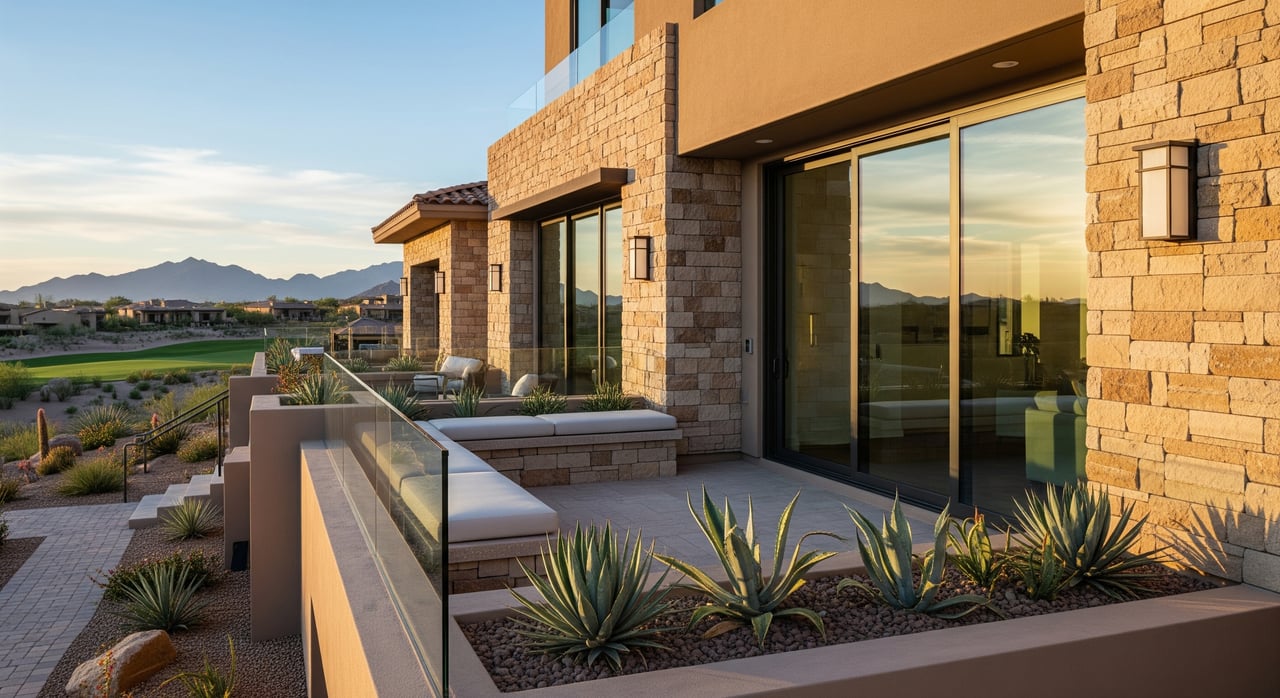
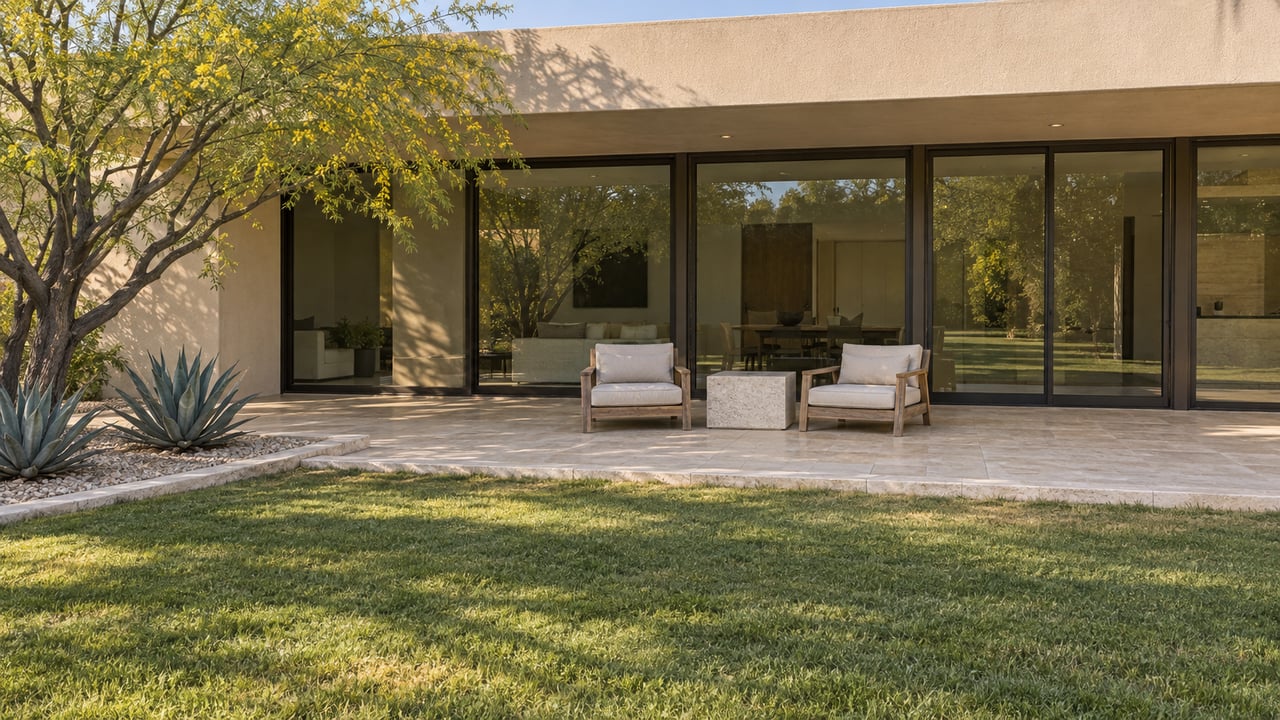
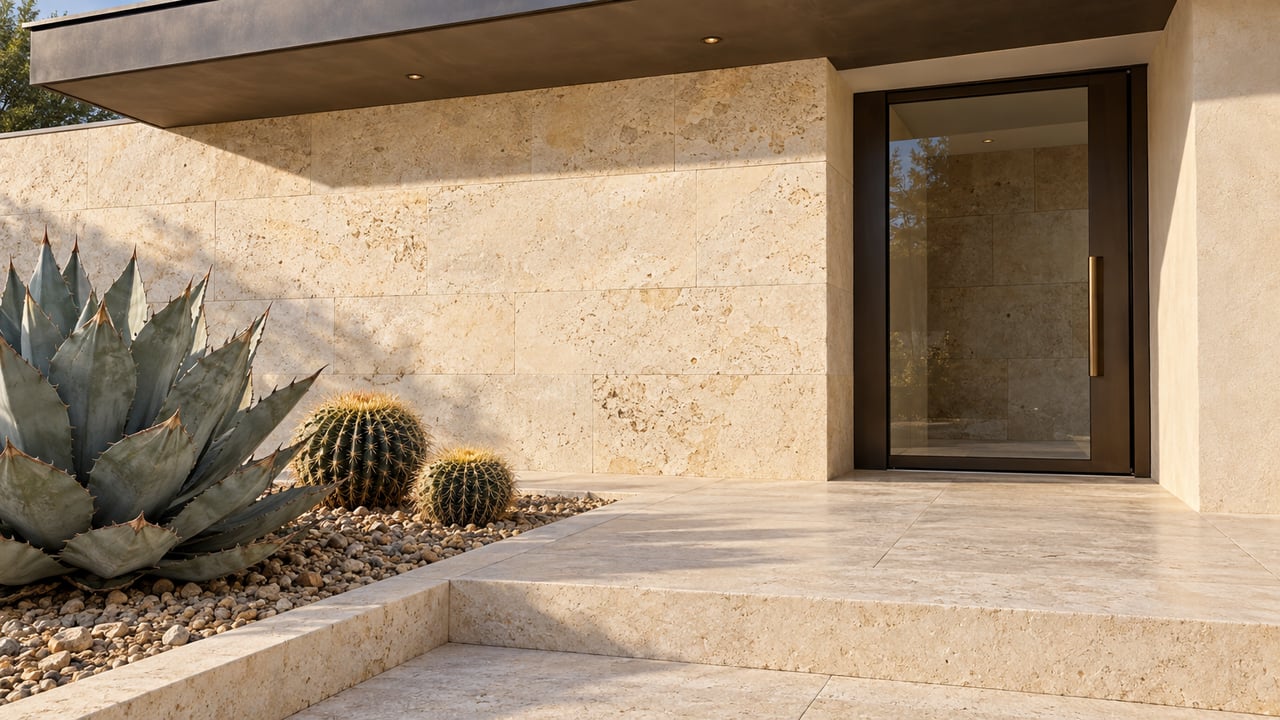
A lock-and-leave home is designed so you can secure it and be away for extended periods without daily oversight. The goal is simple: minimal exterior maintenance, strong building security, and systems that support remote monitoring. In Kierland, this style fits perfectly with the neighborhood’s walkable, mixed-use setting near Kierland Commons and Scottsdale Quarter.
You will find that many buyers here are seasonal residents, second-home owners, and busy professionals who value convenience. Investors also like communities that are low maintenance and rental ready. The key is matching the property type and HOA structure to the lock-and-leave lifestyle you want.
Property types near Kierland Commons
Kierland offers several formats that make low-maintenance living easier:
- Condominiums with secured access. Mid to high-rise buildings often include controlled entries, elevator access, and sometimes concierge or front-desk services.
- Attached townhomes in gated communities. You get private entries with shared exterior maintenance handled by the HOA.
- Resort-style developments. Common-area pools, fitness centers, and onsite management simplify upkeep and amenity access.
Inside the units, you will often see features chosen to reduce upkeep:
- Hard-surface flooring like tile or engineered wood for easier cleaning.
- Durable finishes such as stain-resistant countertops and cabinetry that hide wear.
- Dual-pane, low-E windows and well-sealed doors that help limit dust intrusion and reduce HVAC load.
Building systems also support absentee ownership:
- Secured, controlled-access entries with key fobs, plus cameras or concierge in some buildings.
- Onsite or third-party management for maintenance requests.
- HOA-serviced amenities including pools, landscaping, exterior painting, roof and elevator maintenance.
- Smart-home compatibility for thermostats, locks, and cameras so you can check in remotely.
Parking and storage matter too. Assigned covered parking or garage spaces protect vehicles from intense sun, and in-building storage lockers are handy for seasonal items. Guest parking and loading zones make travel days easier.
HOA coverage that makes it truly lock-and-leave
A property is only lock-and-leave if the association covers the right things. Start by requesting and reviewing these documents:
- CC&Rs, Bylaws, Articles of Incorporation
- Rules and Regulations
- Current Budget and Income Statement
- Reserve Study and current reserve balance
- Master Insurance summary
- Recent Board Meeting Minutes for the past 6 to 12 months
- Management Agreement if a third-party manager is used
- Any pending litigation, assessment history, and fee changes
- Rental and short-term rental policies
Focus on the details that affect your day-to-day ease:
- Exterior maintenance. Confirm who pays for exterior paint, roof, structural repairs, balconies, and terraces.
- Landscaping, irrigation, and pool service. Ideally, the HOA handles these so you are not coordinating vendors while away.
- Security and access control. Look for building entry security, gated vehicle access, cameras, and any concierge coverage.
- Utilities and trash. Confirm what is included in HOA fees versus separately metered.
- Pest control. Ask whether exteriors and common areas receive routine service.
- Reserves and assessments. A well-funded reserve lowers the risk of special assessments.
- Insurance structure. Identify what the master policy covers and what you must insure inside your unit.
- Vacancy rules. Some communities require a local contact, notice of extended absence, or keys on file.
- Emergency response. Ask about 24/7 emergency repair protocols and vendor response times.
- Rental rules. If you plan to rent while away, confirm restrictions and any required registrations.
Climate-smart details for Scottsdale living
The Phoenix metro climate is unique. You will want features and policies that address local conditions:
- Monsoon season and dust. Well-sealed windows, maintained balcony drainage, and a proactive roof and waterproofing schedule matter.
- Intense sun and heat. Covered or shaded parking helps with vehicle protection. Ask how HVAC service is handled, especially for common systems in multi-unit buildings.
- Water-wise landscaping. Many communities use xeriscaping and HOA-managed irrigation systems. Confirm responsibility and how water costs are allocated.
- Package handling and mail. If you travel often, find out how packages are handled. Some buildings offer concierge reception or secure lockers, which reduces theft risk.
- Insurance considerations. Discuss vacancy clauses with your insurer, and understand differences between master policy coverage and your individual policy.
Quick buyer checklist
Use this at showings or during early due diligence:
- HOA covers exterior, roof, balconies, pool, and common-area maintenance.
- Secure, controlled access plus onsite management or concierge.
- Trash, landscaping, and common-area utilities included in HOA fees.
- Healthy reserve fund with no imminent special assessments or litigation.
- Owner responsibility limited mainly to interior finishes and personal property.
- HOA permits remote management practices like local emergency contacts and vendor access.
Questions to ask before you write an offer
Go beyond the listing brochure and get specific:
- Can you provide CC&Rs, Bylaws, current Budget, Reserve Study, insurance summary, 12 months of minutes, and recent financials?
- What exactly does the master policy cover, and what must the owner insure?
- Are there restrictions on extended vacancies or any required notifications?
- How are after-hours emergencies handled, and who approves or pays for urgent repairs?
- Is there onsite staff or a local manager, and what are typical response times?
- Are any capital projects or special assessments planned?
- What are the rules for smart locks, security cameras, and devices on balconies or common areas?
- What are the policies for long-term and short-term rentals, and are there registration or tax requirements?
Tips for seasonal and busy owners
Once you own, a few habits make life easier when you leave town:
- Designate a local contact. Authorize someone to enter for emergencies and receive HOA notices.
- Set a check-in routine. Establish thermostat settings, water shutoff protocols, and package handling with management or concierge.
- Use compatible smart devices. Consider remote HVAC controls, water shutoff valves, and security monitoring. Confirm HOA rules for any exterior hardware.
- Add a loss assessment endorsement. Ask your insurer about coverage that helps with HOA deductibles or special assessments.
- Schedule periodic inspections. Plan leak checks, HVAC service, and pest visits during long absences.
Costs and tradeoffs to weigh
The more services a building offers, the higher the HOA fees are likely to be. Concierge desks, extensive amenities, and robust security can be worth it if you value simplicity and time. If you prefer lower fees, look for communities with leaner amenity packages but solid reserves and clear maintenance coverage.
Understand that rules in lock-and-leave communities may be tighter to protect shared systems. You might see restrictions on balcony storage, exterior alterations, or smart camera placement in common areas. These policies help maintain uniform standards and security.
How to start your Kierland search
- Define your must-haves: access control, parking type, onsite staff, and specific amenities.
- Set your budget range and factor in HOA fees and insurance.
- Tour communities near Kierland Commons and Scottsdale Quarter to compare access, amenities, and management style.
- Request documents early and review reserves, insurance coverage, and rules on vacancies and rentals.
- Align insurance with the master policy and confirm any vacancy-related requirements.
If you want local guidance from a team that works Kierland and nearby Scottsdale submarkets every day, we are here to help. You will get clear answers on HOA coverage, vendor norms, and the day-to-day realities of living lock-and-leave in this market. Connect with The RTT Home Group to find the right fit with confidence.
FAQs
What is a lock-and-leave home in Kierland?
- A property designed for extended absences, with minimal exterior maintenance, secure access, and HOA or building services that handle common upkeep while you are away.
Are short-term rentals common in Kierland condos?
- Policies vary by community, so you should review HOA rental rules and any required registrations before planning to rent your unit.
What insurance do I need for a Kierland condo or townhome?
- Confirm whether the master policy is bare walls-in or all-in, then insure interior finishes, personal property, liability, and consider a loss assessment endorsement.
How can I tell if an HOA is financially healthy?
- Review the current budget, reserve study, reserve balance, recent meeting minutes, and any history of special assessments or pending litigation.
Is covered or garage parking typical near Kierland Commons?
- Many communities offer assigned covered or garage parking to protect vehicles from sun and storms, but availability and terms vary by building.
What smart-home devices help with absentee ownership?
- Remote thermostats, smart locks, security cameras, and water shutoff valves are common choices, subject to HOA rules on installation and common-area use.