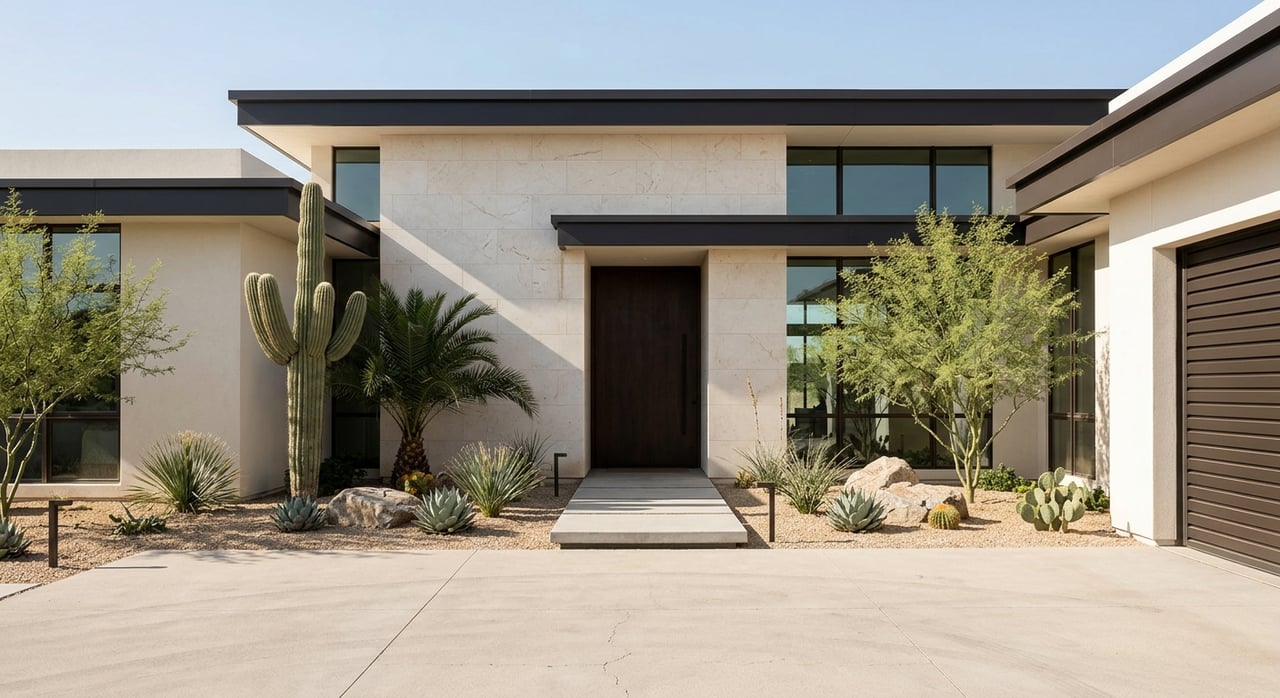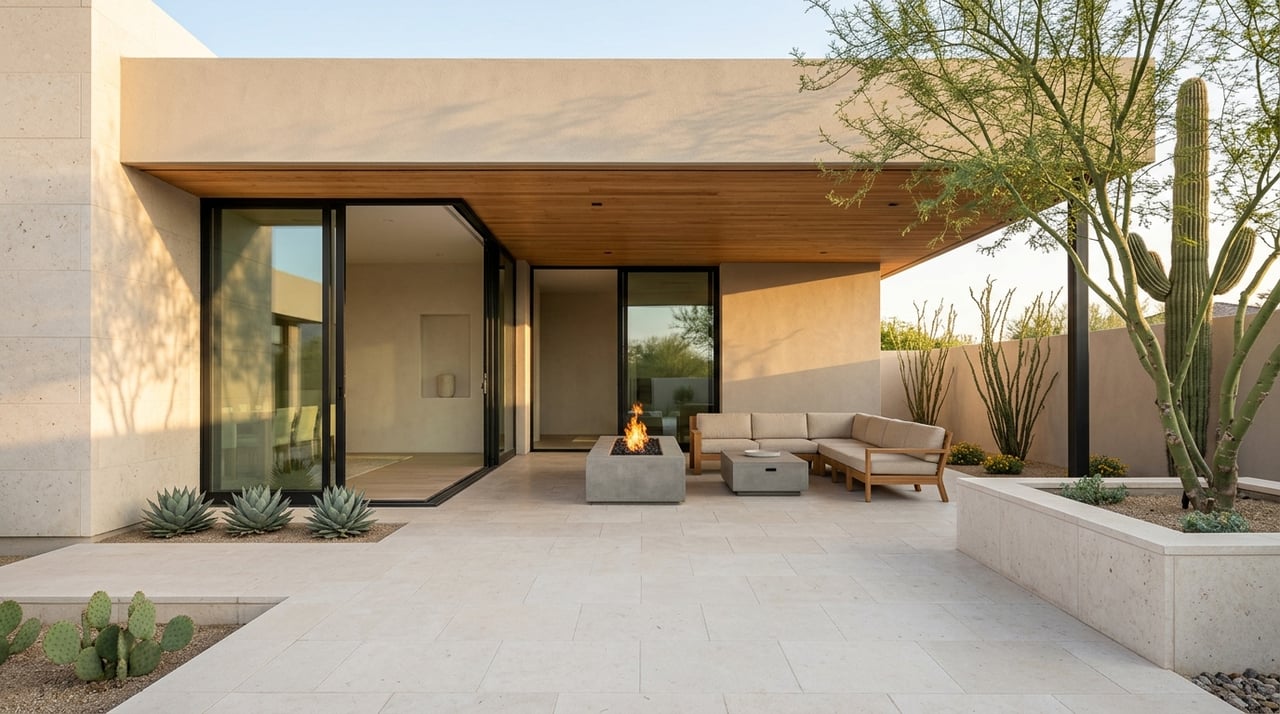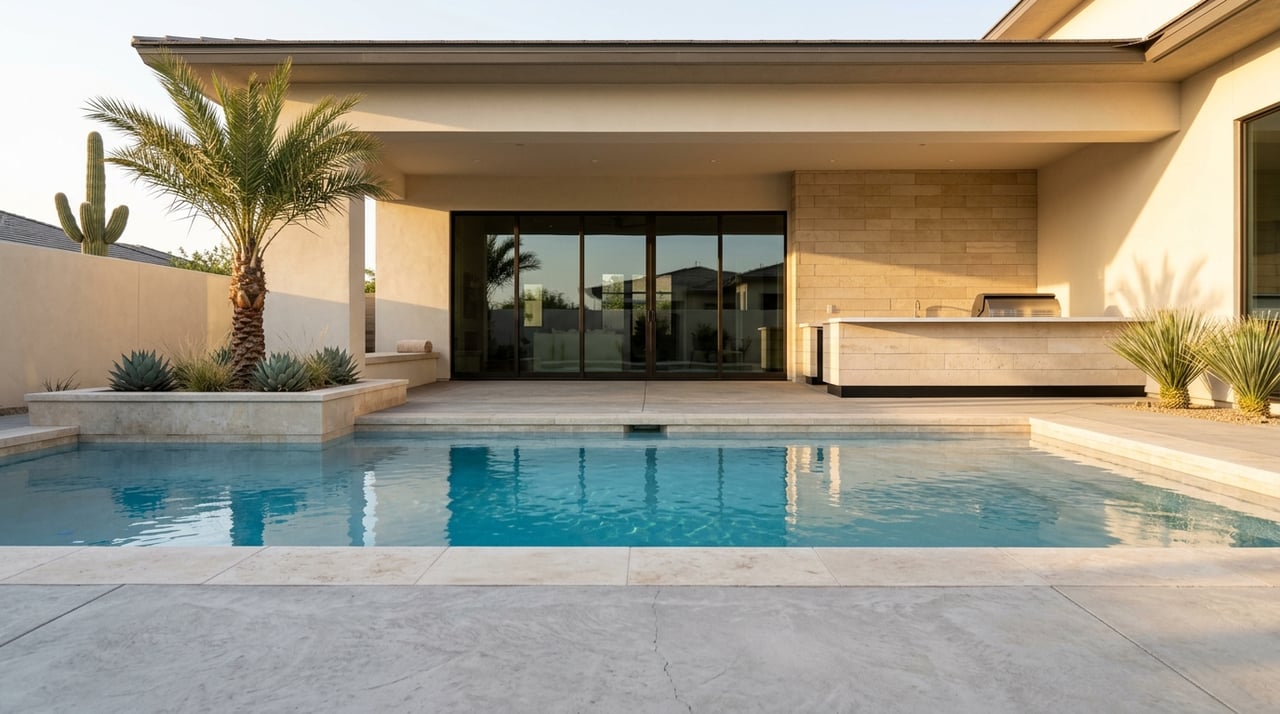
Timing your sale in North Scottsdale can add real dollars to your bottom line. If you have flexibility, choosing the right month and launch plan can mean more showings, stronger offers, and a smoother path to closing. You want clear, local guidance you can trust, not vague national rules. In this guide, you’ll learn the strongest months to list, how the snowbird and event calendar boosts luxury demand, what to expect in summer, and a simple prep timeline to get market ready. Let’s dive in.
What the data says right now
As of January 2026, Scottsdale’s market is steady but not at the breakneck pace of 2021–2022. Citywide, the median sale price is about $925,000 with a median of roughly 80 days on market. The sale-to-list ratio is near 96.2%, and about 6% of homes sold above list in January 2026. These figures show buyers are selective and pricing accuracy matters.
North Scottsdale runs higher than the city as a whole. In January 2026, the neighborhood’s median sale price is about $1,250,000, up 7.8% year over year. Zillow’s smoothed home-value index for Scottsdale is approximately $838,494 as of January 31, 2026, which helps you see broader trends. Keep in mind that North Scottsdale is a collection of micro-markets with distinct buyer pools, including DC Ranch, Troon North, Desert Mountain, Silverleaf, and Desert Highlands. Your exact timing and pricing should match your submarket and price band, not just city averages.
Best months to sell in North Scottsdale
Late winter to early spring
If you want broad buyer competition, late winter through early spring is usually your move. February to April often captures seasonal visitors along with spring relocation buyers, which can mean more showings and stronger offer activity. That wider audience tends to help well-prepared, well-priced homes sell faster and for better terms.
Signature events also expand exposure. The Barrett-Jackson collector car auction in January brings thousands of visitors to town, which can increase out-of-market eyes on your listing. If your home will be live around that time, consider aligning your launch just before or during the event window for extra reach. You can check the current schedule on the Barrett-Jackson Scottsdale events page for precise dates: Barrett-Jackson Scottsdale events.
Late February through March is another strong period thanks to spring training. Many visitors tour while they’re in town, especially buyers considering a second home. Review the Cactus League spring training overview for timing: Cactus League spring training schedule.
Snowbird and luxury season
For higher-end golf and resort properties, North Scottsdale’s luxury demand often peaks in winter. From November through March, many out-of-state and second-home buyers are here for extended stays, club events, and course time. A peer-reviewed study of U.S. markets shows that southwestern metros frequently see their strongest selling months in winter, a pattern tied to seasonal migration of older, wealthier residents. You can scan that research here: seasonality study on housing markets.
If you are listing a luxury home in a golf or gated community, plan to be active during this window. Properties with strong outdoor living, views, and clubhouse access often shine when those buyers are physically in town.
When summer listings still work
Summer in Scottsdale is hot. Average highs often exceed 100°F from June to August, which can reduce casual showings and outdoor touring. See typical climate patterns here: Scottsdale climate averages. If you must list in summer, you can still succeed with the right approach:
- Lean on high-quality virtual tours and crisp photography so buyers can preview from home.
- Schedule most showings in the evening when outdoor spaces are more comfortable.
- Highlight AC performance, energy features, sunshades, misting systems, and low-maintenance landscaping.
- Price to the most recent comparable sales, not last year’s peaks. Fresh comps matter when traffic is thinner.
How rates and inventory shape your timing
Seasonality sets the stage, but rates and supply can change the script. When mortgage rates drop, buyer demand can pop at any time of year. When rates rise or inventory builds, buyers gain leverage and multiple offers become less common. Greater Phoenix saw inventory increase during parts of 2024 and 2025, and when supply is higher, your price, condition, and launch plan matter more than the calendar. Check the most recent 30 to 90 days of local data with your agent before you finalize a go-live date.
Practical timing advice by goal
If you want the highest likely sale price
- Target February to April for broad competition. This window blends seasonal visitors with spring relocators.
- For luxury golf or second-home properties, consider November to February to capture peak snowbird presence.
- Work backward 8 to 12 weeks to complete prep: repairs, updates, landscaping refresh, light staging, and pro photography (including golden-hour and twilight shots).
- Build your marketing to debut mid-week, ideally late Wednesday or Thursday, so the first full weekend carries your momentum.
If you want to sell fast
- Spring (February to April) still tends to move quickest because more buyers are in the market.
- In a higher-inventory period, speed comes from accuracy: competitive pricing, turnkey presentation, and a mid-week launch that stacks weekend showings.
- Be flexible on access. Well-timed private showings and quick responses shorten days on market.
If you must list off season (summer or holiday weeks)
- Avoid launching in the quietest holiday periods when many buyers travel. If you go live in late December, plan to build momentum into early January instead.
- In summer, focus on comfort and convenience. Emphasize indoor living, energy upgrades, and shade. Offer evening showings and ensure the home is cool and inviting.
- Consider limited credits for closing costs or rate buydowns instead of steep list-price cuts. This can protect perceived value while meeting buyers where they are.
For luxury golf-community listings
- Aim for November through March, when second-home and club-oriented buyers are here.
- Use high-end visuals that showcase outdoor rooms, fairway views, and club proximity. Add drone and twilight photography to capture the desert light.
- Integrate private outreach and broker previews to reach qualified, often out-of-state buyers.
Your 8–12 week prep timeline
Use this simple plan to count back from your target list date:
- Weeks 10–12: Strategy and scope. Decide your target window (for example, early March). Order a comparative market analysis for your submarket and price band. Approve a prioritized repair and refresh list with estimated ROI.
- Weeks 8–10: Repairs and updates. Tackle high-ROI items first: paint touch-ups, pool service, landscaping trim, grout and caulk, lighting updates, and hardware that modernizes the look.
- Weeks 6–8: Staging and curb appeal. Arrange light staging or consultation. Edit surfaces and closets. Power-wash hardscape. Service HVAC for summer listings and gather documentation.
- Weeks 4–6: Content production. Schedule professional photography, drone, video, and floor plans. For winter or spring launches, secure golden-hour and twilight slots to maximize outdoor living imagery.
- Weeks 2–4: Pre-market buzz. Finalize listing copy, disclosures, and marketing assets. Confirm a Wednesday or Thursday launch. Coordinate showing windows to create early urgency.
- Week 0: Go live. Launch mid to late afternoon. Sync syndication, social, and email to push initial traffic into weekend showings.
Micro-market pricing and launch checklist
Use this quick list to keep your plan tight:
- Price to the most recent 30 to 60 day comparable sales in your exact subdivision and price tier.
- Choose a launch day that feeds your first full weekend, usually Wednesday or Thursday.
- For winter and spring listings, lead with outdoor living and golf amenities. For summer, lead with interior comfort and energy efficiency.
- Offer flexible showings, especially in early days. Consider a pre-inspection to reduce surprises and build buyer confidence.
- Align with key event windows. Activating just before Barrett-Jackson or spring training can expand out-of-market exposure.
The bottom line
For most North Scottsdale homes, late winter to early spring is the sweet spot for both price and speed. Luxury golf and second-home properties often benefit even more from the November to March snowbird season. Summer can still work with smart pricing, strong visuals, and an evening-showing strategy. Your exact timing should reflect your micro-market, current inventory, and mortgage rate trends.
If you want a data-backed plan and a streamlined prep process, reach out. Our team pairs market insight with hands-on home-prep expertise to help you launch at the right moment and command strong results. Connect with The RTT Home Group to get your instant home valuation and a timing plan tailored to your property.
FAQs
What is the best month to sell a home in North Scottsdale?
- February to April typically offers the most buyer competition, while luxury and second-home properties also perform well during the November to March snowbird season.
Is winter a good time to sell a luxury golf home in North Scottsdale?
- Yes. Winter months bring more out-of-state and seasonal buyers to clubs and resort areas, which can increase qualified showings and offer strength.
How does Scottsdale’s heat affect summer showings?
- Fewer in-person tours occur during peak heat, so lean on high-quality virtual tours, evening showings, and strong interior presentation to keep interest high.
Do mortgage rates or inventory matter more than the calendar?
- Both matter. Rates and supply can amplify or dampen seasonal patterns, so check the latest 30 to 90 days of local data before you finalize your launch date.
Which day of the week should I list my home in Scottsdale?
- Mid-week launches, especially Wednesday or Thursday afternoons, tend to build early momentum by driving showings into the first weekend.