Relocating To DC Ranch: How To Pick The Right Fit
July 2, 2026
July 2, 2026
Relocating to DC Ranch can look simple on paper, but the right fit often comes down to details you only notice when you compare daily life village by village. You may already know the community has a strong reputation in North Scottsdale, yet still feel unsure about where to focus your search. This guide will help you narrow your options based on housing style, convenience, amenities, and how each part of DC Ranch may align with your routine. Let’s dive in.
DC Ranch is a 4,400-acre master-planned community in North Scottsdale next to the McDowell Sonoran Preserve. According to the community, the first home was completed in 1997, and today DC Ranch includes more than 2,800 homes and about 7,000 residents across four villages and 26 neighborhoods. That scale gives you more than one version of life within the same community name.
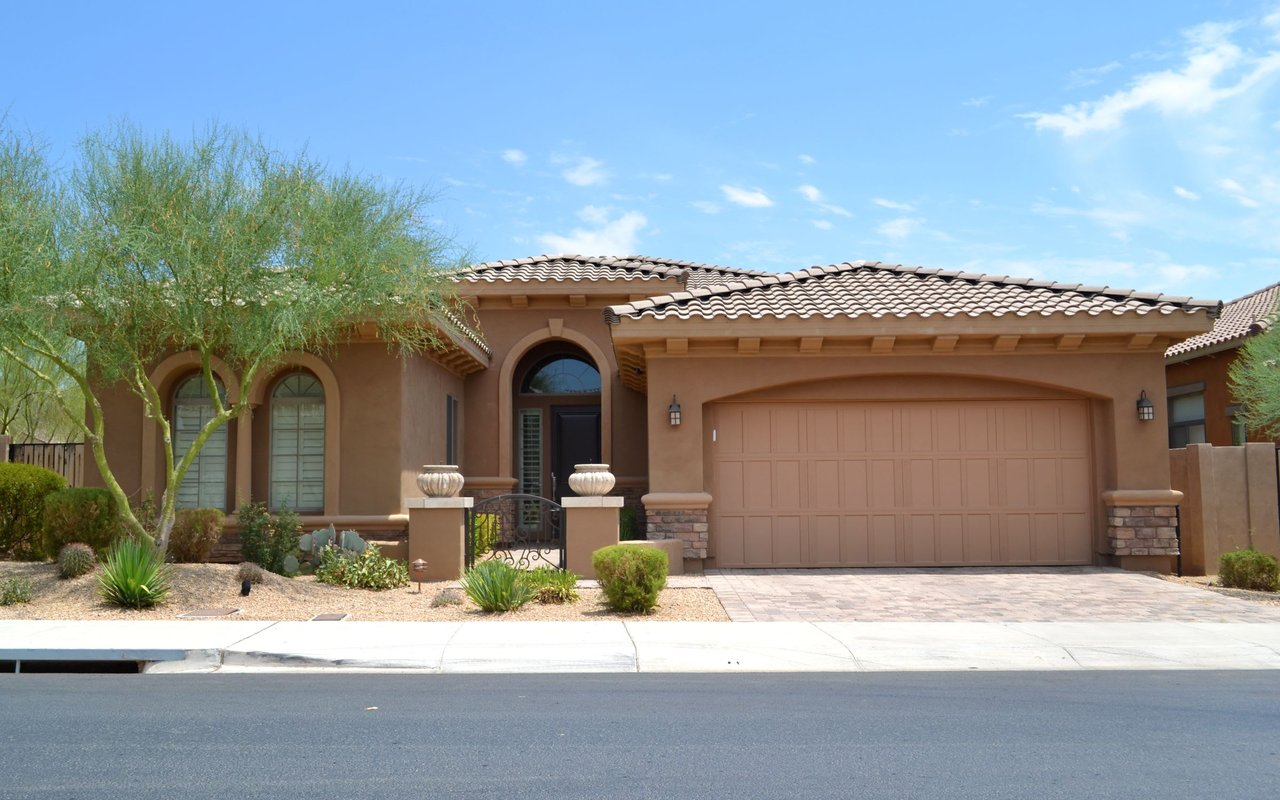
One reason relocation buyers are drawn here is housing variety. Across DC Ranch, you can find custom estates, single-family homes, townhomes, patio homes, condominiums, and apartments. If you want a master-planned setting but need to balance privacy, maintenance, and convenience, that range matters.
Location is another major factor. DC Ranch sits east of Pima Road at Thompson Peak Parkway, about three miles north of Frank Lloyd Wright Boulevard, with access to Loop 101. In real life, that means your day-to-day experience can vary depending on which village you choose and where you need to go most often.
Before you fall in love with a floor plan, think about how you actually live. A home that looks perfect online may not feel as practical if your drive, walkability, or amenity access does not line up with your routine. That is especially true in a large community like DC Ranch.
A smart relocation search usually starts with a few simple questions:
When you answer those questions first, it becomes easier to sort the four villages by fit rather than by price or photos alone.
Country Club Village is one of the original DC Ranch villages, with the first residents moving in during 1997. It is bounded by Pima Road and the Reata Wash and features architecture ranging from Ranch House and Western Regional Farm House to Spanish Eclectic, Pueblo, Prairie, and contemporary interpretations. If you are drawn to an established setting with a club-adjacent feel, this is often one of the first places to consider.
For many buyers, Country Club offers a more traditional desert luxury look. It can be a strong match if you want a setting that feels rooted in the original vision of DC Ranch. It is especially worth touring if character, mature community identity, and golf-oriented surroundings are high on your list.
Desert Camp sits east of Pima Road and south of Thompson Peak Parkway. It includes single-family homes, attached patio homes, condominiums, and townhomes, giving you one of the broadest mixes of housing types in the community. That makes it useful if you are still deciding how much space or maintenance responsibility you want.
Desert Camp is also home to Market Street, a retail, restaurant, and office hub described by the community as one of DC Ranch’s main arteries. If convenience matters and you want a more central everyday-use setting, Desert Camp may be the most practical village to evaluate first. Buyers relocating from more walkable environments often appreciate that some homes here may feel closer to services than homes in other parts of DC Ranch.
Desert Parks sits east of Pima Road and south of Legacy Boulevard. It includes custom and non-custom single-family homes, attached homes, and luxury apartments. That mix can appeal to buyers who want options without giving up a neighborhood-focused setting.
According to DC Ranch, each neighborhood in Desert Parks has a park, natural wash areas, and private gated access. The village was designed to encourage community through shade, open areas, play structures, and low-density lighting. If you want variety in housing paired with a park-centered layout, Desert Parks deserves a closer look.
Silverleaf is the most estate-oriented of the four villages. DC Ranch describes it with Spanish and Mediterranean Revival estate architecture, formal gardens, hillside lots, and many homes on or near the Silverleaf Golf Course. If privacy, views, and a more exclusive luxury setting top your list, you will likely spend significant time here.
Silverleaf also features formal landscaping, tree-lined streets, paved alleyways, and 11 parks. The community notes a pedestrian underpass for children walking or biking to school, which can shape the day-to-day routine for some households. Buyers who want a highly refined, estate-driven environment often compare Silverleaf most closely with other upper-tier luxury communities in North Scottsdale.
If you are trying to narrow the field quickly, a practical shorthand can help. Based on DC Ranch’s official village descriptions, Country Club and Silverleaf tend to appeal to buyers who prioritize golf, club life, views, and a more established luxury feel. Desert Camp tends to attract buyers who want central convenience and mixed housing types, while Desert Parks offers a balance of variety and park-oriented design.
That does not mean every home in a village will feel the same. Two properties with the same ZIP code and community name can deliver very different daily experiences. The goal is to use the villages as a starting framework, then test each home against your actual routine.
One of the biggest mistakes relocation buyers make is focusing only on the house. In DC Ranch, the better question is often how the home connects to the larger community around it. That includes trails, parks, social spaces, retail areas, and your likely drive pattern.
DC Ranch’s outdoor network is a major part of its identity. The community says it has 47 parks and over 50 miles of landscaped paths and trails, and those connections ultimately lead to the McDowell Sonoran Preserve. The City of Scottsdale describes the preserve as a permanently protected desert habitat of 47 square miles, about one-third of the city, with more than 60 miles of trails.
That preserve access helps explain why many buyers see DC Ranch as more than a typical master-planned development. If outdoor time matters to you, touring trail connections and park access should be part of your home search, not an afterthought.
DC Ranch includes two major community-center anchors: Desert Camp and The Homestead. The community describes Desert Camp as the heart of activities and social gatherings, while The Homestead includes a splash pad, playground, basketball court, playhouse theatre, event space, commercial kitchen, and Wi-Fi. Depending on where you buy, one center may feel more convenient than the other.
The club environment is another important distinction. DC Ranch says residents are served by The Country Club at DC Ranch, Silverleaf Club, and DC Ranch Village Health Club & Spa. If club use matters to your lifestyle, ask about the membership or access structure tied to the specific property you are considering.
Nearby services are concentrated around Market Street, DC Ranch Crossing, and Canyon Village. That means some homes may feel more connected to dining and errands than others. If convenience is part of your decision, check both driving time and walking distance rather than assuming all of DC Ranch functions the same way.
DC Ranch has a layered governance structure, and that is a big reason two homes in the same village can come with different ownership obligations. The community says three governing entities oversee connectedness, roads and security, and architectural and design integrity. It also notes that ten neighborhoods are managed by sub-associations.
According to the assessments page, fees are assessed monthly in three categories: Community Council, Ranch Association, and Neighborhood where applicable. For a relocation buyer, this is not a minor detail. You should know what the monthly assessments cover and whether the property sits inside a sub-association before you decide a home is the right fit.
For many buyers considering luxury communities, security infrastructure is part of the value equation. DC Ranch reports 24-hour community patrol, 23 gates, two patrol vehicles, a third patrol vehicle for the paths and trails, and live video feeds at the command center. That level of operational structure can be meaningful if controlled access and monitored common areas matter to you.
Still, not every part of the community will feel identical in day-to-day use. Gate patterns, visitor access, and route convenience can differ by neighborhood. It helps to tour with those practical details in mind rather than treating security as a simple yes-or-no box.
One of the most useful relocation tips for DC Ranch is to stop thinking in broad community terms and start thinking in route terms. Because the community is large and has access through major corridors like Pima Road, Thompson Peak Parkway, and Loop 101, your experience can shift depending on where you need to be each day. A home that feels ideal for one buyer may be less practical for another with a different commute.
When you tour, test the route that matters most. That may be your workplace, the airport, regular appointments, or a school tied to a specific address. A short practice drive can tell you more than a listing description ever will.
A great DC Ranch tour should answer more than whether a kitchen or backyard looks appealing. It should also tell you whether the location, ownership structure, and community access support the life you want to build here. The right questions can save you time and help you compare homes more clearly.
Use this checklist as you tour:
The best fit in DC Ranch is not just about buying into a well-known North Scottsdale community. It is about choosing the part of the community that matches your pace, priorities, and day-to-day routine. When you compare the villages carefully, ask the right questions, and look beyond the finishes, you give yourself a much better chance of making a move that feels right long after closing.
If you are relocating and want practical guidance on how different parts of DC Ranch compare, working with a local team can make the process far more efficient. The RTT Home Group can help you narrow your options, tour with purpose, and evaluate the details that matter most before you make your move.
Stay up to date on the latest real estate trends.


THE RTT HOME GROUP
21020 N PIMA RD SCOTTSDALE AZ 85255